CAITLIN CASSIDY
Graduation with Leadership Distinction
Professional & Civic Engagement
Digital Media Specialist
Graduating with Leadership Distinction Portfolio


PGA of America
PGA Digital Intern
Frisco, TX
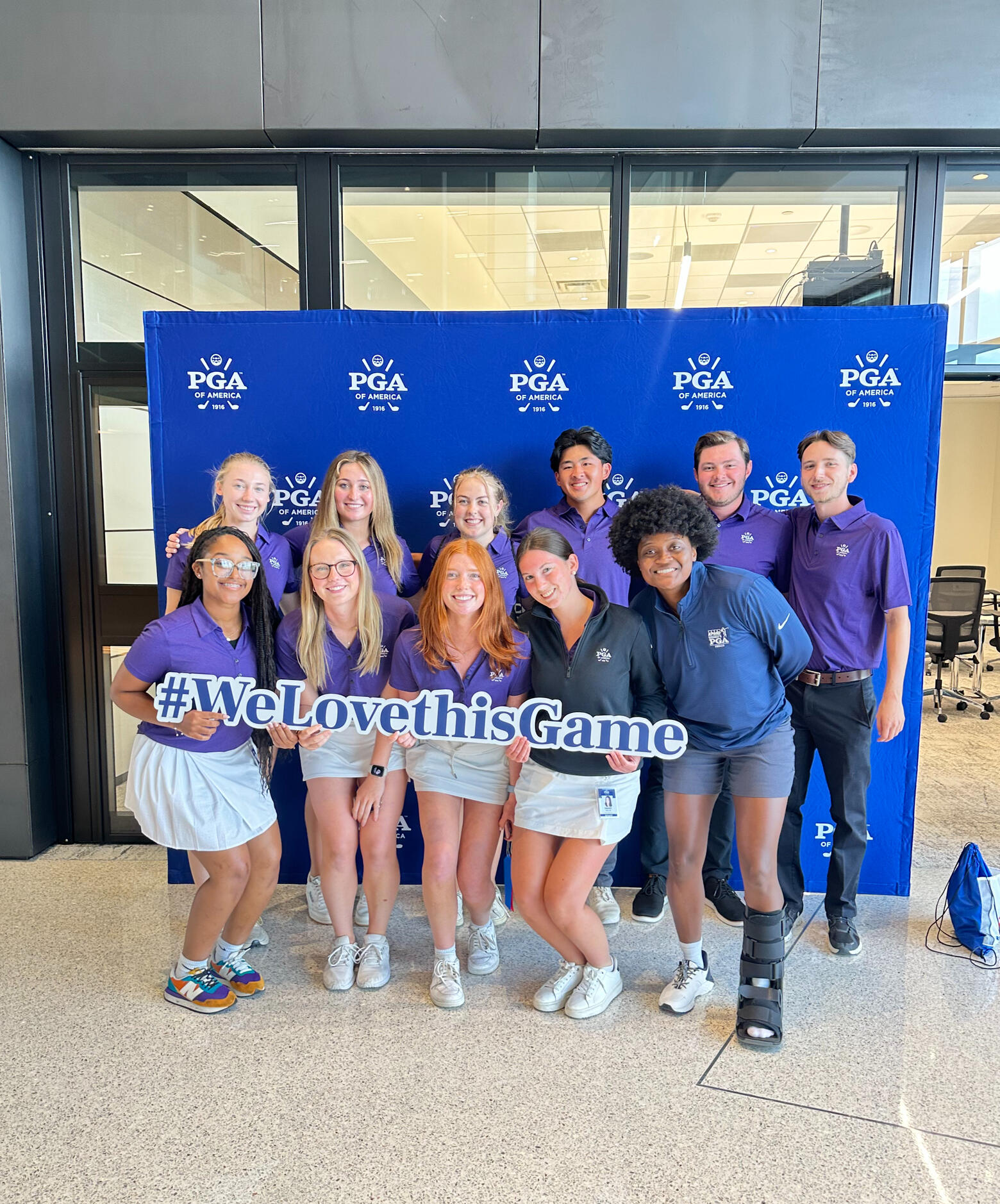
Filmed, edited and produced the 2025 Summer Intern Class video showcasing the internship program and values of the PGA of America.
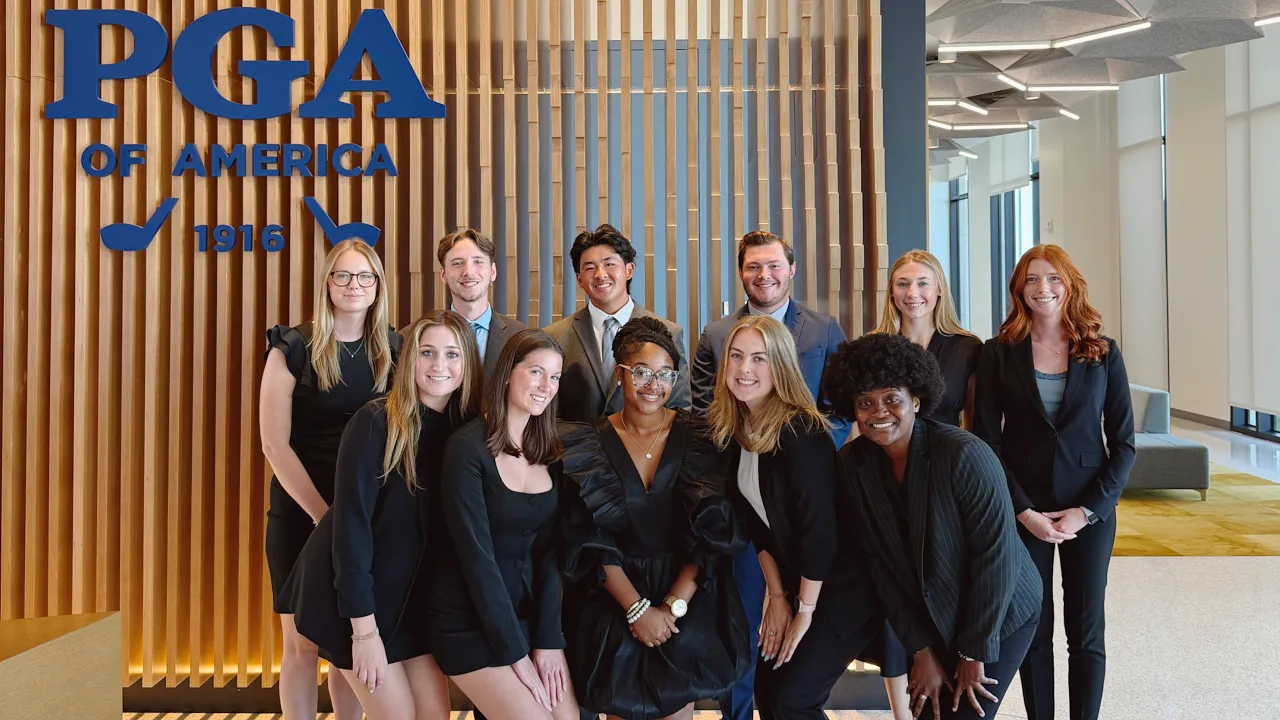
2025 PGA of America Summer Interns


2025 Staff Drive, Chip & Putt Event Recap

2025 Ryder Cup
Ryder Cup Digital Intern
Bethpage, NY
Planned and produced branded content for Ralph Lauren with influencer talent.



NHSGA Invitationals


NHSGA Girls Invitational Gallery


NHSGA Boys Invitational Gallery


2025 KPMG Women's PGA Championship
PGA Digital Intern
Frisco, TX
Dallas Cowboys x KPMG Collab
KPMG Tik Tok Content
Lead distributor for the 2025 KPMG Women's PGA Championship Instagram
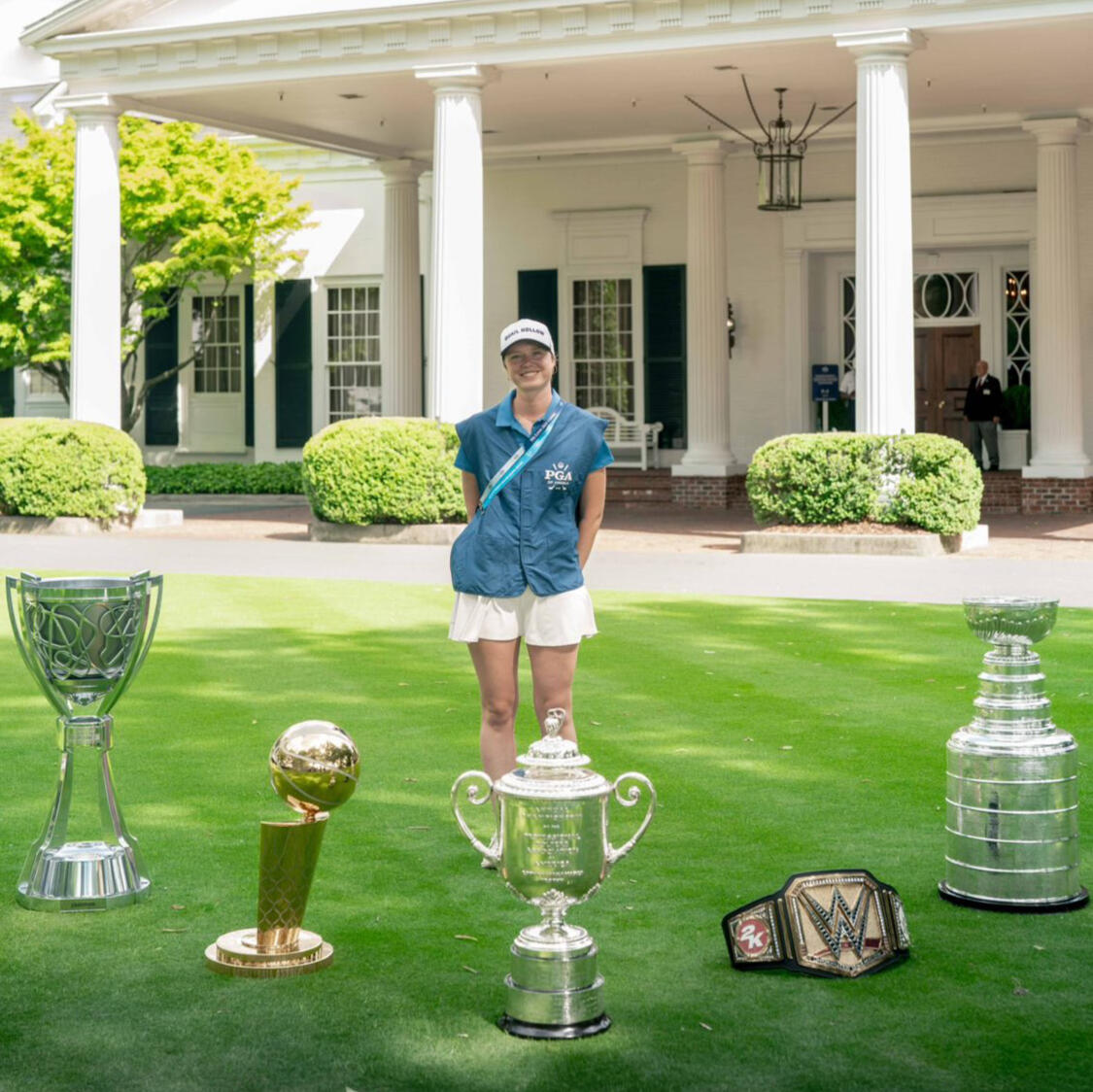
2025 PGA Championship
PGA Digital Intern
Charlotte, NC
Player Content


Fan Content


2024 Wells Fargo Championship
Social Media & Marketing Intern
Charlotte, NC
Coming soon...
NCCGA Pinehurst Open Gallery


South Carolina Women's Volleyball
Head Student Manager
Columbia, SC
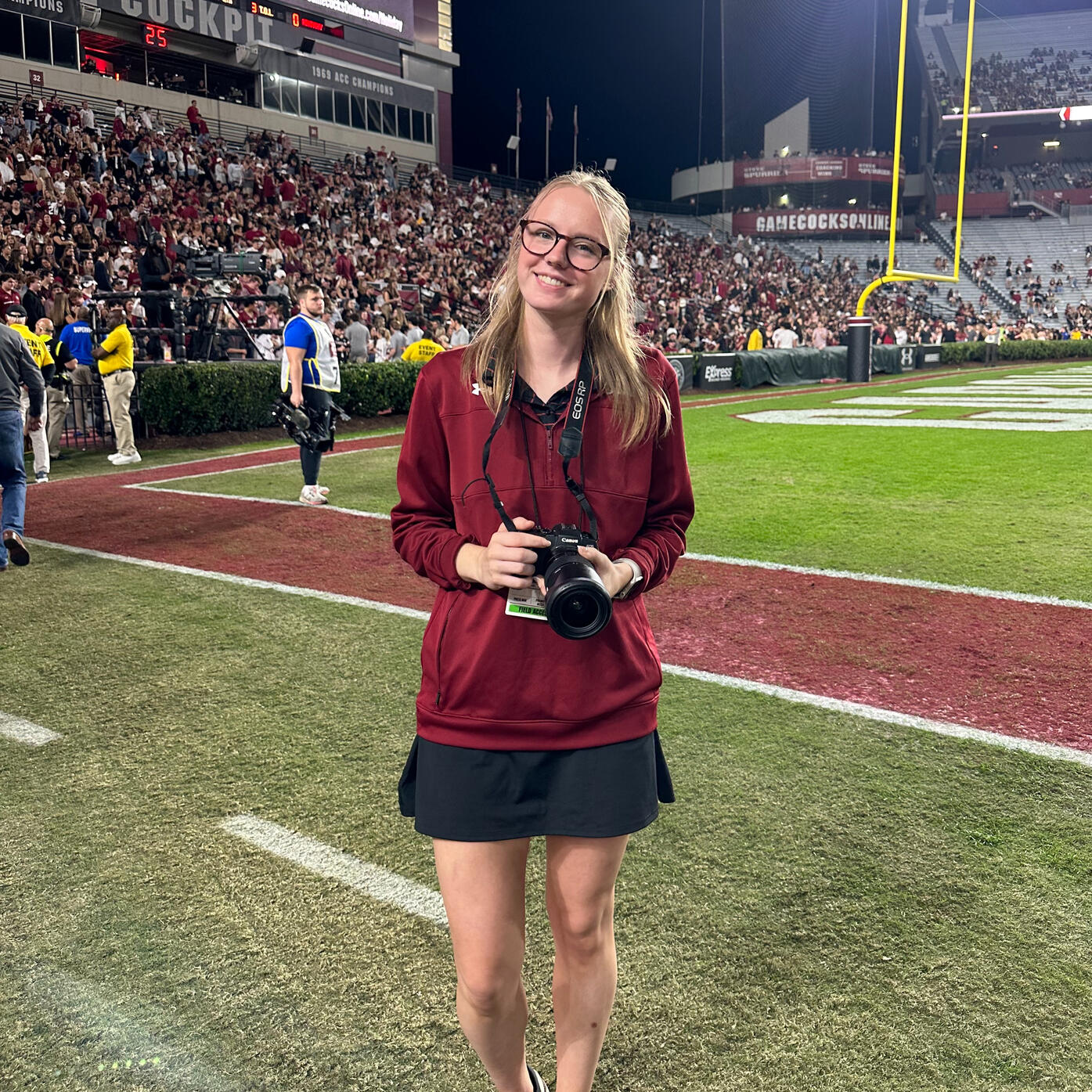
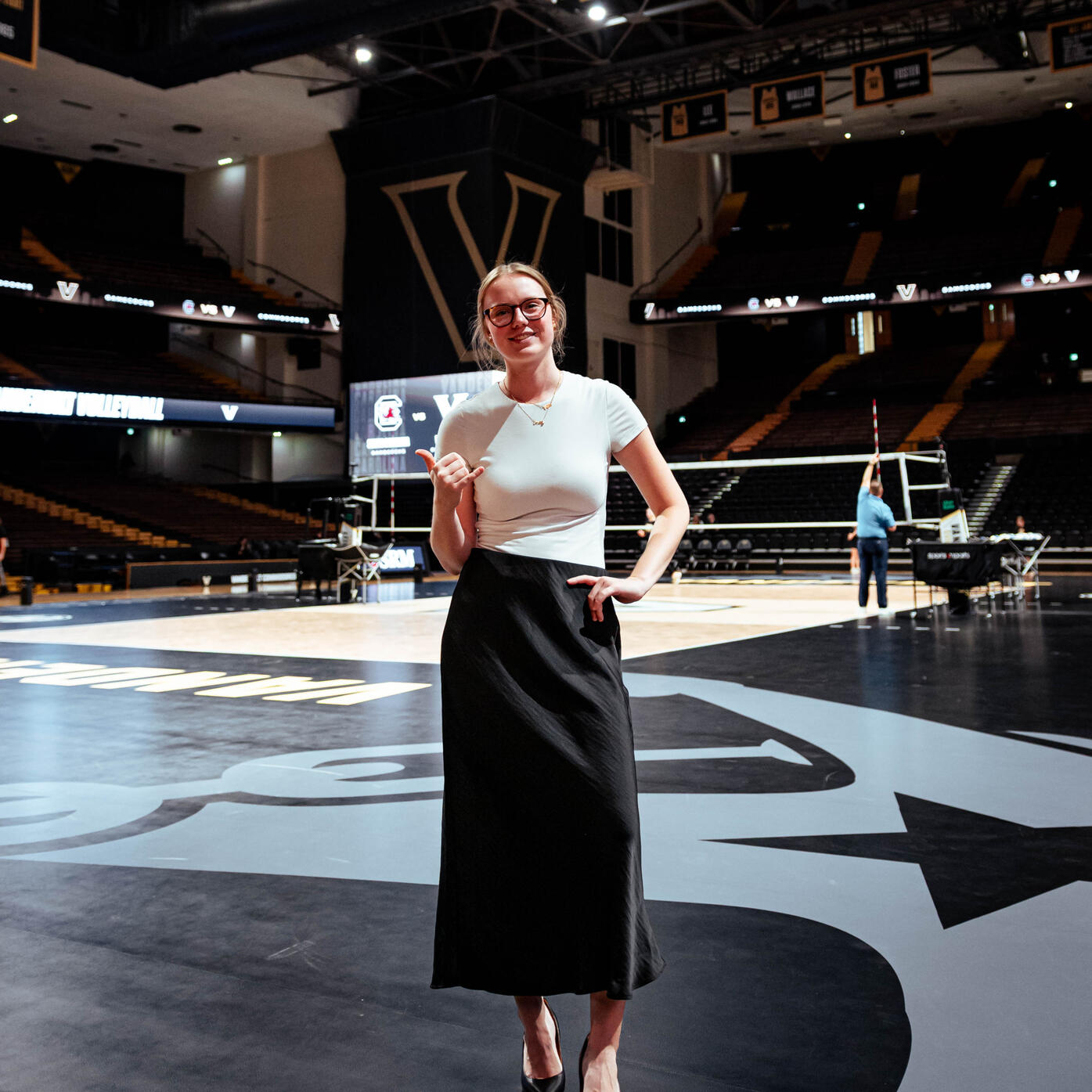
Led six student managers, coordinated team operations and logistics, and supported coaching staff with practice and game-day preparation for all four years of college.


About Me
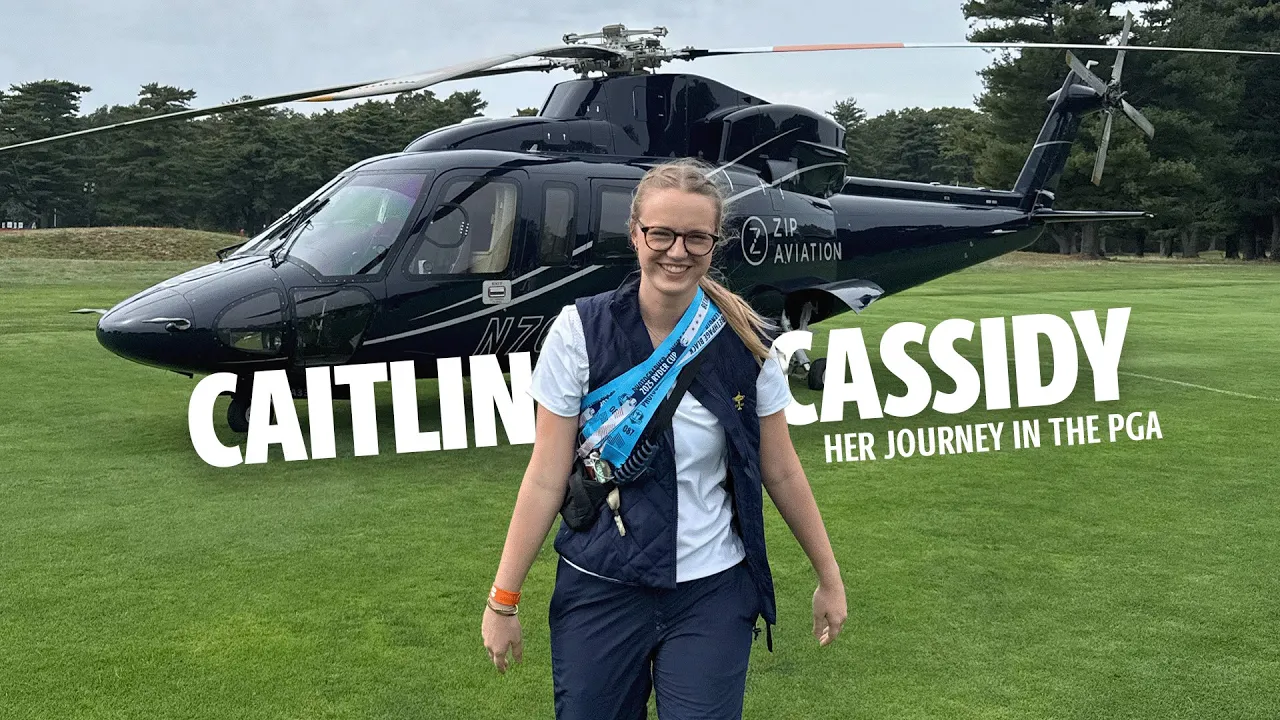
Hi! My name is Caitlin Cassidy, and I am a senior at the University of South Carolina pursuing a degree in Sport and Entertainment Management with a minor in Social Media and Mass Communications. I am graduating in May 2026 with Leadership Distinction in Professional and Civic Engagement. This pathway strongly ties to the professional and academic experiences I’ve had as a result of my time at the University of South Carolina.Sports has always been an integral part of my life. I grew up playing basketball since fourth grade. I learned to love the atmosphere and culture of sports more than anything in my life. As I began the search for a college, I knew I wanted a career in sports. The University of South Carolina has one of the best Sport Management programs in the country and was going to give me the greatest opportunity to achieve my goals. Since being in the program, I have had the opportunity to work major championships, work within Gamecock Athletics and complete internships in a variety of major cities. Most importantly, I have developed into a confident and fierce female in sport. After graduation, I will be moving to Stamford, Connecticut to join Versant Media as a Social Media Specialist for Golf Channel and USA Sports Network. My goal is to continue building on my leadership skills and continue promoting and advocating for women in sport.My four years at the University of South Carolina have changed my life forever. Not in the cliché way that most people talk about and experience college, but in every aspect of my life, I am better for having chosen this University. During my time at the University of South Carolina I have learned important skills, built a professional network and participated in work experiences that helped shape me into a professional leader within sport. My three Key Insights perfectly culminate my experiences within-the-classroom and beyond.1. The Power of Intentional Networking2. Inside the Ropes of Opportunity3. Turning Reels into RevenueWithin this e-portfolio, I will also discuss my time spent on campus developing myself into a confident female leader. Through the leadership section, I will discuss the the lack of representation of women in leadership positions throughout sports and the solutions I will propose to build awareness on campus at USC. Through my time spent in the Women In Sport and Entertainment Club, I have developed a strategic plan to amplify women's accomplishments in the industry and throughout our campus.As a senior now, I know I will be leaving an impact on my department and especially those that I have helped along the way. To become a meaningful member of the sports industry is hard, but to become a fierce female in sport is even more difficult. Every class and assignment has prepared me to leave here a leader, a champion for change and an example young girls can look up to in this male dominated field.
WORK with me
Would you like to discuss working with me on digital content creation to grow your brand on social media?Fill out the form below.
©Caitlin Cassidy Media - All Rights Reserved
Thanks for your Interest
I'll get back to you
within 48 hours.
©Caitlin Cassidy Media 2026
The Power of Intentional Networking
Before coming to college, networking had little meaning personally or professionally to me. My perspective changed the first day of college, in my first class ever. Despite being a zero-credit, once a week class, SPTE 195 reshaped my perspective on the importance of networking within the sports industry.If you ask any SPTE student about their experience in this course, you will get varying replies. For me, it’s where I discovered how much passion, effort and tenacity it will take to create myself a fulfilling career within sport. The class is centered around researching the career you wish to have a future in. The only sources for your final paper could be industry professionals who currently worked in the field you chose. Each week in class, Prof. Taylor taught us the different principle building blocks of networking. Week by week we learned the importance of consistently following up, creating personalized connections through research, respecting industry professionals time and thanking them with hand-written thank you notes. All of these principles would be needed to not only complete our paper but build an intentional network to help us throughout the rest of our careers.I began by creating a LinkedIn, the most important networking tool. LinkedIn is the ultimate form of social media for professionals. It allows you to connect with professionals, stay relevant in the industry and learn how your network is tied together. Through LinkedIn I researched companies and individuals working in social media marketing. After sending many requests, with personalized notes attached to each one, I began receiving messages back. From there I set up networking calls. These calls were the most nerve racking and challenging thing to do as a shy, soft-spoken freshman.
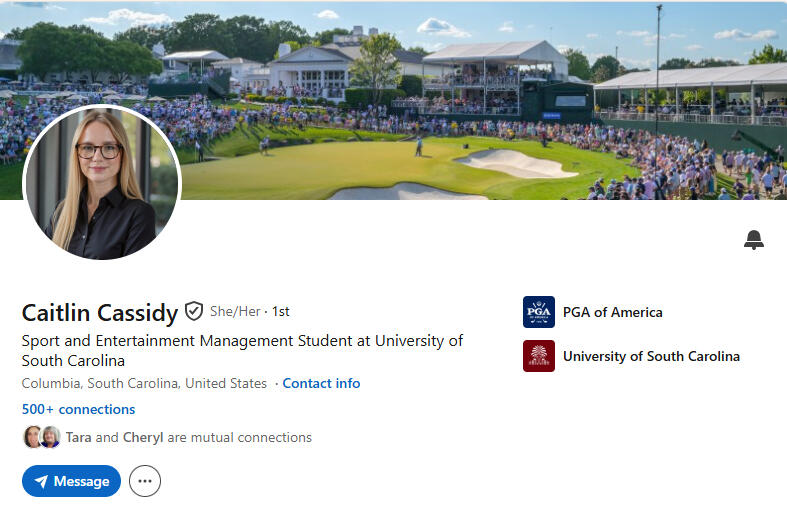
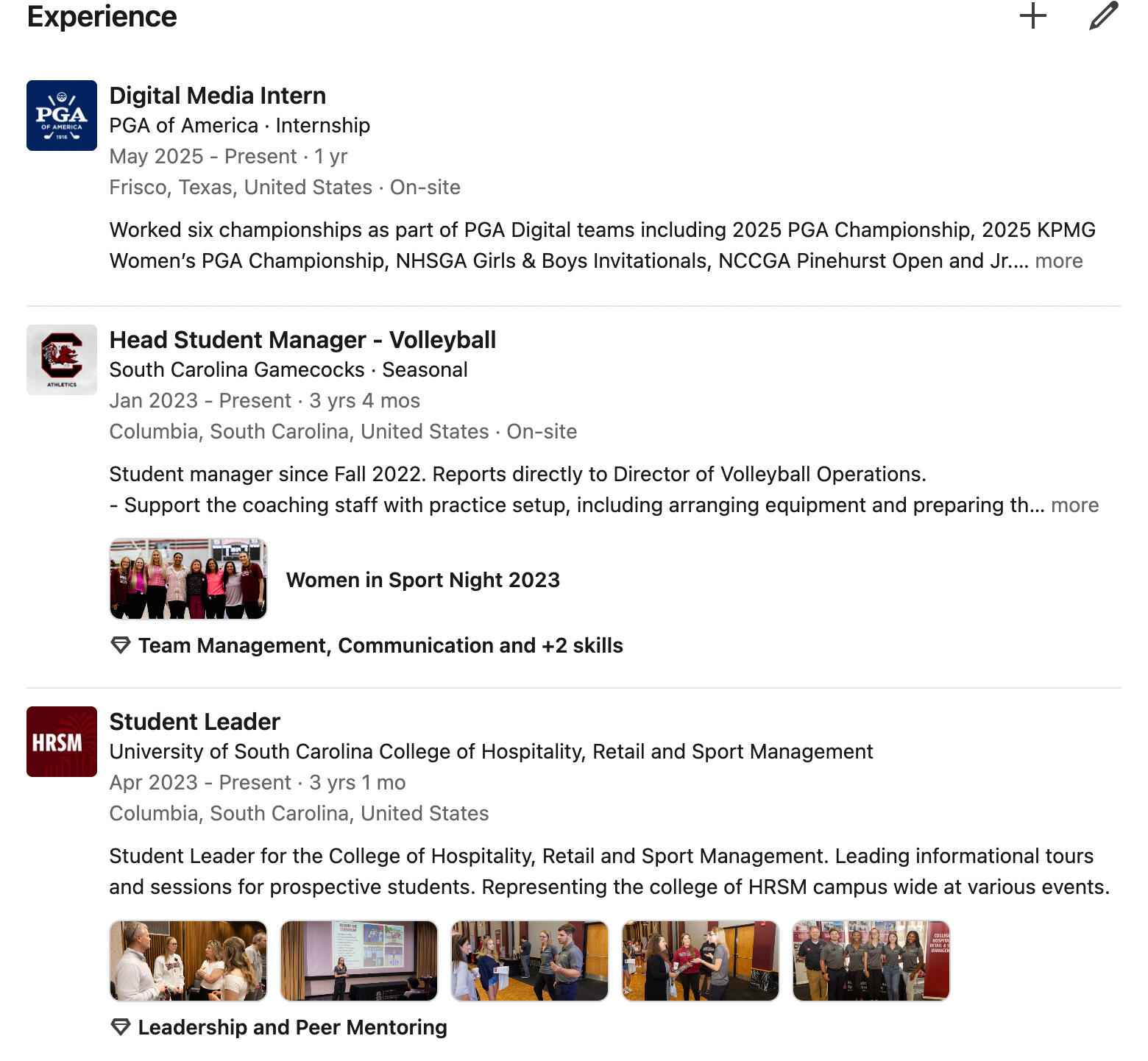
I tracked each interaction (WTC Artifact #1), noting when I made contact, who they worked for and if I had been able to speak with them yet. During each interview, I took meaningful notes and tried to connect personally with each individual by conducting basic research about their career prior to the meeting. I outlined a specific set of basic questions for each interview and added personalized ones based off my research.As I began to construct the format for my final paper (WTC Artifact #2), I decided to use my love for writing to my advantage. My ten-page paper is a reflection of how I came to understand my passion for social media marketing and how all these interviews I had conducted were unknowingly building the basis of my future career.SPTE 195 singlehandedly sets our program apart from others. By the time we finish our first semester, we are bounds ahead of most students in other majors, at other university’s and I found myself amongst the best of my class. My final paper was able to articulate how impactful the lesson of networking was to jumpstart my career in this industry.
The summer between my Junior and Senior year of college was when I truly felt the benefits of the network I had spent years building. At my first internship in Spring 2024, I made meaningful and lasting connections with our entire team. When it was time to start looking for my next opportunity the following summer, my old coworker suggested I apply to the PGA of America Summer Internship Program. He had transitioned into a role with the company and made a direct referral to the hiring manager on my behalf, simply from the connection I fostered since concluding my internship.I went through a grueling, six-month interview process, and ultimately was selected to be the PGA Digital Intern (BTC Artifact #1). Unknown to me at the time, this would be the greatest work experience of my collegiate career. I went on to work nine championships as a part of PGA Digital teams including two major championships, a Ryder Cup, and six amateur championships.The sports industry is all about who you know. Sport professionals will traditionally give students the advice “Everybody knows everybody in sports”. By building the foundations of networking and interviewing professionals I have been able to build an incredible network that led me to amazing opportunities.Finally, heading towards graduation, the network I began building four-years ago has now provided me with the ultimate payoff, a full-time job. I would’ve never guessed that my first class in college would teach me principles I practice daily and contributed to helping me land my first job after college.


Check out more of my work from my time at the PGA of America here:

Inside the Ropes of Opportunity
In the beginning of April each year, one of the biggest, most exclusive, and most famous sporting events takes place, The Masters Tournament. It’s hosted at Augusta National Golf Club in Augusta, Georgia, just an hour away from the campus of University of South Carolina.The College of Hospitality, Retail and Sport Management (HRSM) practically ceases to exist during the week as students and faculty migrate down the road to help partake in the annual event. The University sends nearly six hundred students from every major and background. Students apply year after year, hoping to be chosen.Once they have been accepted to work the tournament, all students enroll in a course entitled “Golf Tourism”. This mandatory course prepares students for the grueling ten days of the tournament, while also providing a legitimate excuse for missing class. On the first day of the class, the professor looked out at the students and announced, “One of you is going to fall in love with the golf industry”. I never could have imagined, sitting in that room as a freshman in college, that it would’ve been me. Throughout the course, we welcomed speakers from different departments of Augusta National and learned about the business of tourism behind major golf tournaments. I worked in the Main Golf Shop as a headwear specialist providing a customer service to patrons looking to purchase one of the hundred different styles of hats.
A unique feature about The Masters Tournament is that patrons are not allowed to bring in cellphones or digital devices. As students, this meant giving up our phones and being present in the fifteen-hour workday. At the conclusion of the week, we were tasked with writing a journal entry (WTC Artifact #1) about our time at the event, and how what was discussed within class about preparation, excellency and resiliency was applied throughout our time working.
We discussed in class everything that would be needed to set ourselves apart from other students, at other universities working the event. Specifically we learned about the importance of professionalism and upholding high standards of customer service. The Masters Tournament thinks of everything and is well regarded within the industry as an elevated experience. Learning from professionals at the club but also reading books and listening to lectures about creating consumer focused solutions truly impressed me.
The required textbook in class was the book “Raving Fans” by Ken Blanchard and Sheldon Bowles. Throughout the class we would discuss the importance of different theories from the business parable. The book details three secrets to having “raving fans”: Decide what your service vision is, Discover what the customer wants and Deliver what they want plus one percent. These three key customer service principles stuck with me for my experience at the Masters and beyond. We also had the privilege of hearing Ken Blanchard speak to us on a panel about creating raving fans before our work experience and write a reflection on the key takeaways (WTC Artifact #2). This panel helped us further understand the importance of creating raving fans and what we could do as employees to contribute.
As my sophomore year practicum drew near, I began eagerly looking to see if I could find a role that could emulate my time spent at Augusta National and The Masters Tournament. Soon after, I applied for a six-month internship and was hired to be the Social Media and Marketing Intern at the Wells Fargo Championship (BTC Artifact #1), a signature event on the PGA TOUR. This tournament took place at Quail Hollow Club (QHC) in Charlotte NC, another private prestigious club, nicknamed “Mini Augusta”. The club’s owner Johnny Harris designed and operates the club to reflect Augusta National’s practices.Within my role I did so much more than just social media and marketing. I was interacting with QHC members, sponsors for the tournament and coordinating logistics for fan experiences. Every day in that role, I was reminded of my time in Golf Tourism class. All the lectures, advice, experiences and time spent truly understanding the tourism aspects of the golf industry prepared me to excel despite being the youngest intern they had ever hired. I was able to apply my understanding of customer focused solutions and passion for going above and beyond to exceed patron expectations to the role simply because I was granted the opportunity to learn about it at USC.


Turning Reels into Revenue
The University of South Carolina Sport and Entertainment Management (SPTE) department is unlike every other college on campus. They are preparing us to become interns, and the best ones in the industry. Our department’s faculty is made up of successful industry professionals including the first female president of an NBA team, former presidents of NFL franchises and many more with incredible journeys.My sophomore year, when completing my first practicum, I worked at the Wells Fargo Championship in Charlotte, NC. There were only five interns amongst a full-time team of 12, led by the tournament director, Gary Sobba. During my six-month long internship, Mr. Sobba would host lunch for all of us to connect with him and for him to learn how he can help us in the future. At the conclusion of our tournament, Wells Fargo and the PGA TOUR ended their partnership, thus ending the Wells Fargo Championship for good. Not only were the interns leaving, but so was the entire staff that had called the Wells Fargo Championship home.As the following school year began, and I settled back into the role of student instead of intern, I was hearing my classmates talk about an incredible class they were taking called “Sport Revenue Generation” taught by none other than my former boss, Gary Sobba. Everyone I spoke to about the class, which was in it’s rookie year, said it was a must-have elective for SPTE students. When I registered for my senior year of classes, and I was finally eligible, it was the first class on my list.The class was once a week, three-hour lecture style. Each week, Mr. Sobba brought in friends and professionals from different aspects of the industry to talk about how they generate revenue in their specific segment of the business in which they worked in. From stadium naming rights down to concessions, everything was thought of and discussed. In addition to the weekly speakers, Mr. Sobba also had us read the book Grit by Angela Duckworth. A book that truly makes you think about yourself, your willingness to be better and connects perfectly with becoming a smart business professional. My favorite guest speaker was Chris Caldwell. He spoke to us about the importance of digital revenue strategy. The concept of monetization through branded social content via storytelling pieces rather than traditional digital ads, will ultimately lead to higher return on investment.
At the end of the course, we were tasked with two things: a final group research presentation (WTC Artifact #1) and a final reflection paper (WTC Artifact #2) on all the speakers. My group chose to conduct our research on ESPN and each member chose a different sector of the company to analyze how they are generating revenue. For me, I was fascinated and eager to focus on how they generate revenue via their digital products and social platforms. ESPN has revolutionized the way they are distributing their digital products and reaching consumers through non-linear storytelling content.This class truly taught me the understanding and importance of generating revenue in every facet of a sports organization. It doesn’t all come through sponsorship or ticketing but can be generated through media rights, concessions, merchandising/licensing and even through fundraising efforts. I knew this class would play a pivotal role in my collegiate course work but didn’t truly understand until I was thrown into a position where generating revenue was a major key to our teams success at an event.
During the 2025 Ryder Cup at Bethpage Black, I was fortunate to serve as the Ryder Cup Digital Intern for the duration of the event in New York. I wore many hats that week, but my biggest responsibility was producing branded content for Ralph Lauren (the official outfitter of the Ryder Cup) with high-profile influencer talent. The content would be a 10-minute YouTube video (BTC Artifact #1) with multiple short-form pieces also coming out. I spent time prior to the week, speaking to Ralph Lauren, my PGA Digital Team and the videographers to make sure I understood the task at hand.
When the day of the shoot finally arrived, I picked up our influencers at 5:00 AM and didn’t get back to our hotel till 10:00 PM. We took the influencers to all of Ralph Lauren’s sponsorship activations on-site at Bethpage Black and helicoptered to Rockefeller Center to cap off their experience at Ryder Cup Live. After a long day, with many moving parts and lots of stress, an incredible piece of branded content was formed. This experience helped me understand the importance of weaving authentic storytelling into branded content for major brands like Ralph Lauren. By investing their advertising money on this piece of content rather than another static traditional ad, Ralph Lauren built authentic audience connection utilizing two beloved lifestyle influencers for a golf event.

Mr. Sobba’s class overly prepared me for my entire experience at the Ryder Cup. I knew just how key my projects were to the week’s success but also how important it was to understand that our projects were a small part in the revenue generating aspects of the tournament.
Check out more of my work from the Ryder Cup here:

Leadership Section
Background
When I was growing up, all my favorite athletes were men. As a young basketball fan, the exposure of the sport professionally was mainly for the NBA. I played basketball my entire life and knew there were high-level female athletes out there, but I wasn’t interested. I wanted to watch the best players in the world, and at the time, I didn’t realize that it could be a woman.

As I grew up and continued to become more aware of my role in society, and that I would never be able to play in the NBA, I was exposed to the lack of representation of women in professional sports. Every player, every head coach, every owner, every general manager and anyone of significance contributing to the sports that I loved were men. Even at my own high school, where our women’s basketball team was leaps and bounds better than our men’s, we still weren’t seen or given adequate respect.The discrepancy between women’s and men’s sports was brought to center stage during COVID-19. We saw major differences in the NBA bubble versus the WNBA bubble and the incredible discrepancy between the women’s and men’s NCAA Tournaments. As these issues were brought to light, so was my profound passion for educating and eliminating this systemic problem.Leaving high school, I was fortunate to have been exposed to powerful women in sport who were like-minded to myself. They helped me realize that women have a place in the sports industry, and I finally felt like I had a female to idolize and could see myself genuinely becoming.
Importance of Issue
The University of South Carolina is a fantastic representation of a women’s sports dominate school. Outside Colonial Life Arena, you will find statues of the greatest basketball player to ever wear the jersey and one of the greatest coaches in the game of basketball. They are both women. Additionally, the College of Hospitality, Retail and Sport Management (HRSM) prides itself on the success of the women who have graduated from the program. Women make up only 33% of the Sport and Entertainment Management Department, yet they have an incredible impact.

My freshman year, the Women in Sport and Entertainment Club (WISE) was born. We had more than seventy members at some meetings and I knew this club could be a crucial way to educate and build community on campus.
The lack of representation of women in sport is an important issue across the country. It is crucial for young girls to see women succeeding in sport whether as a coach, athlete, owner or member of the front office staff. By showcasing women’s accomplishments within the industry, we can provide little girls with stellar examples to look up to.
Goal
To educate the young women within the University of South Carolina Sport and Entertainment Management Department on how to build connective communities, intentionally network and continue to advocate for the success of women in our industry.
My Key Insight, The Power of Intentional Networking, directly aligns with my goals. I discuss within the article how intentional networking has benefited my career. My class, SPTE 195, equipped me with the skills, knowledge and abilities to create my own network of powerful connections. This network has now taught me invaluable lessons and will be an integral part of my plan to continue highlighting women in sports.
Implementation Plan
Step 1: Continue building identity and awareness of the WISE Club on campus.- The University of South Carolina Women in Sport and Entertainment Club was founded in 2023. Since then, we have evolved the club and created a community of members who support each other. By continuing to bring awareness to the benefits of our club we will be able to build community not only within HRSM but on campus. We will set up flyers, promotional social media campaigns, and speak to classes across the Sport and Entertainment Department to encourage membership.Step 2: Utilize my network to bring accomplished guest speakers to speak.- The WISE Club relies heavily on the presence of guest speakers coming to talk to our members. By inviting accomplished speakers from all over the industry, we are bringing awareness to different roles someone could have a future career in. By highlighting women that have succeeded at the highest levels within our industry we are showcasing powerful women for our members to look up to. I will personally use my network to interview and build connections with potential women in sport who may be interested in coming to speak to our club.Step 3: Establish resources for alumni to stay involved within a WISE Chapter post-grad.- Our alumni network is vast. By creating engaging programming for our alumni to continue to stay involved with current members, we can help facilitate connections even after they graduate from USC. This would continue the strength of community beyond a members four-years on campus and develop relationships with women currently working in the industry, who recently attended USC. We would host alumni and current member mixers and alumni workshops.Step 4: Provide professional development workshops to prepare members for the industry.- Providing members with professional development meetings prepares them for the reality of the sports industry. Bringing in accomplished professionals to lead different sessions in resume workshops, professional dress for women, LinkedIn seminars and interview preparation, we are ensuring our members have all the tools to succeed at every point in their early careers.Step 5: Community Outreach to showcase women in sport careers.- Reaching out to the local community to showcase women in the sports industry will allow young girls to see the impact women can have on the field. If there is more community exposure to potential careers that many assume are occupied by mainly men, we will be able to inspire the next generation of women in sport.
Evaluation
Track membership growth and engagement:We will run comparative analysis of engagement from past years to this upcoming year. After which we will be able to see trends in growth and engagement across the club after the implementation of my plan.Evaluate alumni participation and engagement:Similarly, we will be able to see a comparative analysis of the alumni engagement in our club via social media, on-campus presence and attended events by our alumni.Feedback form for members on speakers and events:We will begin to implement a quarterly feedback form for our members about the speakers they have seen up to that point in the semester. This will allow us to better understand what speakers we should target to bring in and how we can lead the conversation to help benefit our members further. Additionally, we will have a feedback form for each event we host to better understand what we can continue to improve, and which events were most successful throughout the semester.Follow-up interest from community outreach attendees:Following up and continuing conversation with our community outreach attendees will ensure we are maintaining good community relations. This will allow us to uphold the purpose of our mission which is to educate people on the triumphs and careers for women in sports.